

Latest News
Frozen Pork Feet for International Buyers | Litera Meat

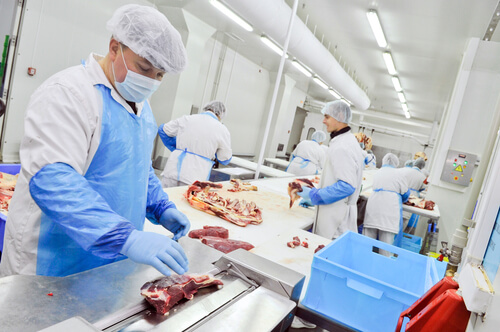
Frozen pork feet are a commercially valuable product for importers, distributors, and food manufacturers serving markets where collagen-rich pork cuts are part of established culinary traditions. Successful sourcing depends less on buying a generic item and more on defining an export-ready specification: anatomical presentation, cleaning standard, freezing method, packaging format, documentation, and cold-chain performance all affect acceptance at destination.
For professional buyers, pork feet should be managed with the same level of control applied to any other high-volume pork cut or edible offal product. A clear specification protects product consistency, supports customs and veterinary requirements, and reduces claims after arrival.
Why Frozen Pork Feet Need a Precise Specification
The term “pork feet” can cover different product expectations across markets. Buyers may require front feet, hind feet, whole feet, split feet, or feet with a particular trimming style. Skin-on presentation is common, but the acceptable amount of residual hair, the treatment of nails, and the condition of the joint area should be agreed before production.
Weight range is another important point. A buyer supplying wholesale channels may prefer a broad commercial range that supports efficient yield and loading. A manufacturer using the product for broth, gelatin-rich preparations, or further processing may need a narrower size range to improve portion control and process consistency. Neither approach is universally better. The correct choice depends on the intended use, customer expectations, and local market practice.
Product condition must also be described in practical terms. Specifications should state whether feet are whole or cut, whether they are cleaned and singed where permitted, and what visual defects are unacceptable. Define tolerances for broken bones, excessive fat, discoloration, foreign material, and packaging damage. If the destination market has particular requirements for nail removal or other presentation details, those requirements should be confirmed before the purchase order is issued.
Product form and commercial presentation
Frozen pork feet are commonly packed in cartons with inner liners, although carton weight, pallet configuration, and labeling format vary by market. Net weight, gross weight, piece count where relevant, and allowable weight variation should be included in the agreed specification.
For international trade, packaging must do more than hold the product. It must protect the feet during freezing, storage, container loading, ocean transit, unloading, and local distribution. Cartons should remain identifiable and structurally sound at the temperatures used for frozen storage. Outer labels should provide the information required by the buyer and destination authorities, including product description, lot identification, production or freezing date where applicable, storage conditions, origin, and establishment details.
Cold-Chain Control for Frozen Pork Feet
Freezing is central to preserving product condition and planning long-distance distribution. Prompt freezing after processing helps maintain product integrity, while stable storage and transport temperatures limit quality deterioration caused by temperature fluctuations. Buyers should confirm the supplier’s process for freezing, frozen storage, loading, and temperature monitoring rather than relying only on a stated storage temperature.
A frozen product can be technically safe yet commercially unsuitable if the cold chain is poorly managed. Repeated temperature variation may increase dehydration, surface damage, ice formation, or carton weakening. These issues can reduce appearance and usable yield, particularly when goods are held in distribution warehouses before resale.
Container preparation also matters. Reefer equipment should be suitable for the agreed set point, pre-trip checks should be completed, and loading should allow proper air circulation. The selected shipping route and transit time must be realistic for the destination. For procurement teams, this is where product specification meets logistics planning: carton dimensions, pallet height, container utilization, destination handling capacity, and order frequency should be considered together.
Buyers should agree in advance how temperature records, seal numbers, loading reports, and shipment documents will be shared. A defined claim procedure is equally useful. It should explain how concerns are documented at receiving, which evidence is needed, and how the parties distinguish a production issue from damage occurring after the goods leave the supplier’s control.
Food Safety, Traceability, and Export Documentation
Frozen pork feet intended for export require disciplined control from slaughter and cutting through packing and dispatch. A reliable supplier should be able to trace each lot through the production process and connect the finished product to the relevant production records, raw-material source, packaging batch, and shipment documentation.
For buyers, traceability is not simply an audit requirement. It allows a business to isolate affected lots quickly if a quality question arises, protect downstream customers, and maintain continuity of supply. Lot coding should be legible, consistently applied, and aligned with the commercial documents accompanying the shipment.
Veterinary, health, origin, and customs documents differ by destination. Import requirements may define the approved establishment, product description, tariff classification, labeling language, health certificate wording, and treatment or inspection conditions. Buyers should verify current destination requirements with the relevant authorities and align them with the supplier before production is scheduled. Changes made after cargo is packed can create expensive delays at port.
A Spanish supplier serving international markets should also understand the importance of matching export documents to the physical goods. Product name, carton marks, net weight, lot numbers, and dates should be consistent across the packing list, invoice, health documentation, and container records. Small discrepancies can become significant when cargo is subject to veterinary inspection.
How to Evaluate a Frozen Pork Feet Supplier
The most useful supplier assessment starts with process capability, not only price. Ask how the processor separates, trims, inspects, freezes, labels, and stores the product. Confirm whether it operates an integrated system that gives control over slaughter, cutting, quality assurance, laboratory analysis, cold-chain handling, and commercial dispatch.
Industrial scale can be valuable when it is supported by disciplined process control. It can provide continuity for recurring orders, more predictable production planning, and the ability to prepare commercial volumes to a consistent specification. However, scale alone does not resolve market-specific requirements. The supplier must also be able to understand the buyer’s requested presentation and apply it consistently from one shipment to the next.
At Litera Meat, integrated pork processing in Binéfar, Spain includes slaughter, cutting, cold-chain handling, packaging, quality control, and distribution capabilities. For B2B buyers, this type of integrated operating model can simplify communication because product, quality, and logistics teams can work from the same production and traceability framework.
Before confirming a new supply program, buyers should review product specifications, sample or inspection procedures, packaging artwork, loading plans, lead times, and documentation responsibilities. It is also sensible to establish the order forecast and minimum shipment rhythm. Frozen pork feet may be a secondary item within a broader pork program, but they still require a clear volume plan to avoid irregular availability or unsuitable stock age.
Building a Supply Program Around Market Demand
Frozen pork feet are often sourced as part of a wider portfolio that may include pork cuts, heads, tails, ears, and other edible offal products. Combining compatible items can improve container utilization and give distributors a more balanced product offering. The trade-off is added complexity: each item may have distinct labeling, destination approvals, carton sizes, and customer demand patterns.
Procurement teams should therefore consider sales velocity and warehouse capacity before committing to mixed loads. A lower unit price has limited value if stock turns slowly or if local customers require a presentation different from the imported product. Forecasts should be reviewed regularly, especially when seasonal demand, port congestion, or changing import conditions affect inventory planning.
The strongest frozen pork feet programs are built on detailed specifications, verifiable traceability, stable temperature control, and practical communication between buyer and processor. When these elements are agreed before production, the product is better positioned to arrive in the right condition and perform reliably throughout the distribution chain.