
Latest News
Large-Volume Pork Tenderloin Supply for Buyers

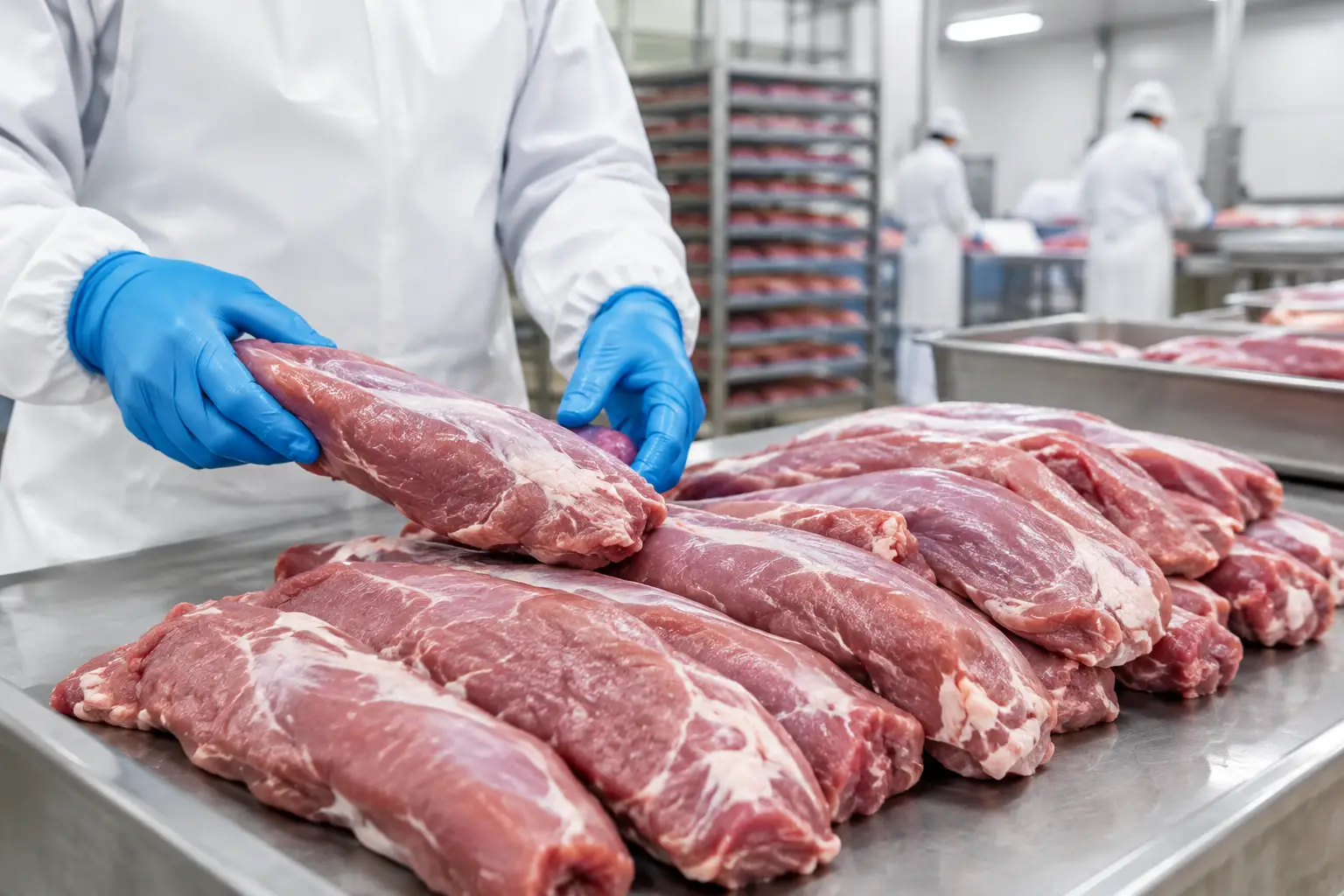
For a buyer, a large volume pork tenderloin program is not simply a question of securing enough product. It requires reliable raw-material availability, consistent trimming, defined weight ranges, controlled temperatures, suitable packaging, and documents that can move with the shipment into the destination market. A tenderloin that performs well in a retail pack, foodservice portion, or further-processing line must be supplied to the same specification week after week.
Pork tenderloin is a high-value, relatively small cut compared with the overall carcass. This creates a practical sourcing challenge: the required volume depends on the processor’s throughput, cutting capacity, sales planning for the full carcass, and ability to consolidate orders for export. Buyers evaluating large volume pork tender supply should therefore assess the entire production platform, not only the quoted price per pound or kilogram.
What defines reliable large-volume pork tenderloin supply
Tenderloin supply is closely connected to carcass balance. Each animal yields a limited quantity of this cut, so sustained commercial volumes require substantial and well-organized pork processing operations. A supplier with integrated slaughtering, cutting, packing, and cold-chain handling can manage product flow more directly than one relying on multiple external stages.
For procurement teams, the key question is whether the supplier can repeat the agreed specification at the planned frequency. This includes anatomical cut definition, trim level, weight tolerance, product temperature, pack format, labeling, and shelf-life expectations. A single successful shipment is not enough evidence for a long-term program. The supplier should be able to explain how specifications are controlled across production shifts and how deviations are identified and managed.
Scale also matters when demand changes. Retail promotions, seasonal foodservice demand, and manufacturing schedules can increase requirements quickly. A processor with high throughput and multiple cutting lines is better positioned to plan allocations, consolidate shipment volumes, and maintain continuity while still serving different markets and product formats.
Start with a precise tenderloin specification
The term tenderloin can mean different things in commercial discussions if the specification is not clear. Buyers should define the product in writing before production is scheduled. This protects both parties from avoidable claims and makes quality assessment more objective on arrival.
A practical specification should cover the cut presentation and trim. Confirm whether the product is required with chain removed, silver skin removed, side muscle treatment, and whether a particular visual appearance is expected. Small differences in trimming affect yield, labor requirements, and price, particularly when the tenderloin will be portioned for retail or foodservice.
Weight range deserves equal attention. A narrow range can simplify portion control and retail presentation, but it may reduce available volume or require additional sorting. A broader range generally improves supply flexibility and may support a more competitive commercial offer. The right choice depends on the buyer’s downstream use. A food manufacturer may prioritize a predictable average weight for automated slicing, while a distributor may prefer a broader range that supports more consistent availability.
The specification should also state whether the product is fresh chilled or frozen. Chilled tenderloin can support short lead times and specific market programs, but it requires disciplined cold-chain execution and realistic transit planning. Frozen product provides longer inventory flexibility and can be more suitable for distant markets, stock-building, or customers with variable demand. Neither option is automatically better. The decision should reflect shelf-life needs, shipping routes, storage infrastructure, and the final customer’s production schedule.
Evaluate the processing controls behind the cut
Tenderloin quality begins before the product reaches the packing area. Suppliers should be assessed on their ability to control the full process, from animal reception and slaughter through cutting, chilling, packaging, and dispatch. Integrated operations provide clearer responsibility for these stages and improve the flow of traceability information.
Food safety systems should be supported by routine controls, trained personnel, hygienic production conditions, and documented procedures. Buyers should ask how the processor monitors product temperature, maintains segregation where required, manages foreign-material risks, and verifies cleaning and sanitation activities. Laboratory capability is also relevant because in-house scientific analysis can support process verification and timely decision-making.
Traceability should allow the product to be connected to its production records and commercial documentation. For international buyers, this is especially important when handling customer audits, import inspections, or product investigations. A useful traceability system is not only a compliance requirement. It helps procurement, quality, and logistics teams resolve questions quickly without disrupting the entire supply chain.
At Litera Meat, the integrated pork-processing platform in Binéfar, Spain includes slaughtering, cutting, cold-chain handling, packaging, quality control, and commercial distribution. Its facilities process 160,000 pigs weekly and operate 22 cutting lines, supporting the planning discipline required for commercial pork programs across fresh cuts, frozen products, and offal.
Packaging and cold-chain choices affect commercial results
Tenderloin packaging must protect product condition while fitting the buyer’s handling model. Vacuum packaging is commonly used for whole-muscle pork because it helps protect the product during storage and transport. Carton configuration, unit weights, pallet pattern, and label content should be agreed before the first loading.
For fresh chilled programs, temperature discipline must be maintained from packing through loading, maritime or road transit where applicable, border handling, and delivery. The shipment plan should account for actual transit time, not just the transport provider’s standard estimate. Delays at ports, document checks, and destination handling can affect the remaining shelf life available to the buyer.
For frozen programs, buyers should confirm the freezing method, target temperature, storage conditions, production date coding, and pallet protection. Frozen tenderloin can provide useful purchasing flexibility, but product rotation still matters. Clear inventory planning avoids excessive storage time and supports more predictable quality for the final customer.
Plan volume, forecasts, and substitutions early
Large-volume purchasing works best when the buyer shares a forward forecast and the processor confirms the planning assumptions. Forecasts do not need to be perfect, but they should distinguish between committed demand, likely demand, and promotional or seasonal upside. This gives the supplier time to align cutting schedules, packaging materials, cold storage, and transport capacity.
A procurement agreement should also define what happens when the requested specification is temporarily constrained. For example, if a very narrow weight band becomes difficult to assemble, the parties may agree in advance on an alternative weight range, a mixed-size allocation, or a frozen supplement. These options should be commercially approved before they are needed, rather than negotiated when product is already on the loading dock.
Price discussions should reflect the complete specification. Higher trim, narrow weights, special labels, small case sizes, and short-notice delivery all add operational requirements. The lowest quoted price is not always the lowest total cost if it creates rework, inconsistent yields, claims, or supply interruptions. A clear specification and stable forecast often create more value than frequent changes to the order profile.
Export readiness is part of the product offer
For international trade, tenderloin is only usable if the shipment meets the importing country’s documentary and market-access requirements. Buyers should verify that the supplying establishment is eligible for the destination, that the agreed product description matches required documentation, and that health certificates, labeling details, and logistics records are prepared correctly.
This is particularly relevant in markets with demanding import controls, including parts of Asia and other regulated destinations. An experienced export supplier should coordinate commercial, quality, production, and logistics functions so that product, paperwork, and shipping conditions remain aligned. Documentation errors can cause delays that reduce the commercial value of chilled product even when the meat itself was processed correctly.
Buyers should also discuss communication routines. Named contacts, agreed cutoff times for order changes, shipment-status updates, and a defined process for addressing quality questions make a high-volume relationship easier to manage. These details may seem administrative, but they are often where supply programs succeed or fail.
A dependable tenderloin program is built through clear specifications, realistic forecasts, verified processing controls, and disciplined export coordination. When those elements are established before the first order, buyers can focus less on solving exceptions and more on serving their customers with confidence.