

Latest News
A Pork Factory Supply Example for B2B Buyers

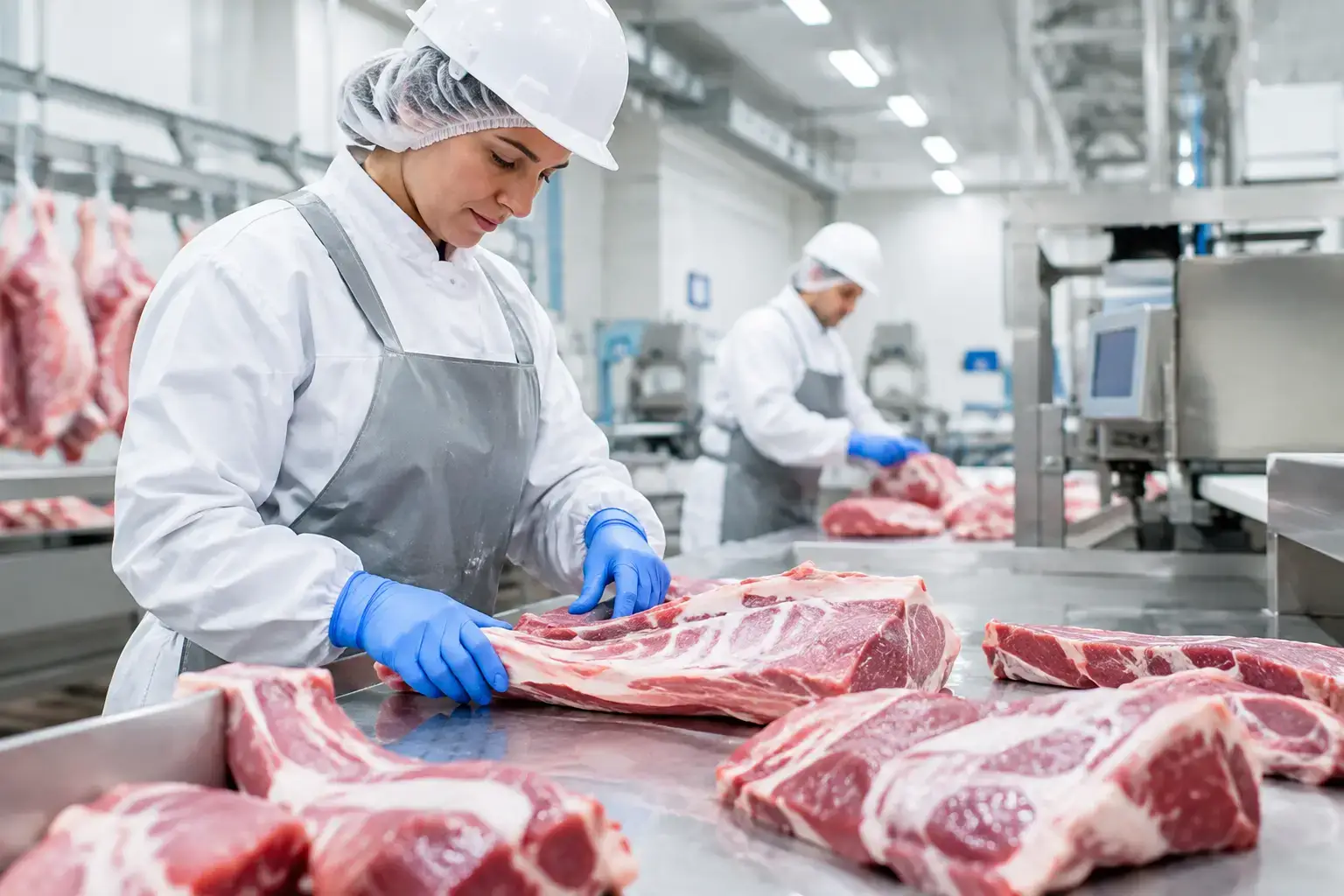
A useful pork factory supply example is not simply a quotation for a container of pork. For an importer, distributor, or food manufacturer, it is a practical test of whether a supplier can convert agreed specifications into consistent deliveries over time. The relevant questions are operational: Can the plant process the required volume? Can it control product identity through cutting, packing, storage, and dispatch? Can it prepare the documentation and product format required by the destination market?
Consider a buyer sourcing fresh and frozen Spanish pork for a mixed distribution program. The order includes primal cuts for further processing, retail-ready cuts for selected customers, and pork offal for an export channel. The buyer needs recurring supply, defined weight ranges, clear packing specifications, reliable cold-chain handling, and traceability that can be checked quickly when an issue arises. This example shows how a factory-level supply program should be evaluated before price becomes the only decision factor.
What a Pork Factory Supply Example Should Show
A credible supply example starts with the commercial requirement and follows it through the production process. It should make clear what the buyer is purchasing, how the product will be produced and packed, and what controls apply before shipment.
For instance, a procurement team may request boneless shoulder, belly, loin, ham components, trim, and selected offal. Each item needs its own specification. A description such as “pork belly” is rarely sufficient for international trade. The specification should address the cut definition, trim standard, bone-in or boneless status, target weight, acceptable weight tolerance, temperature condition, packaging format, labeling information, pallet configuration, and shelf-life requirements where applicable.
This level of detail prevents a common sourcing problem: two parties may use the same product name while expecting different results. A distributor may expect a tightly trimmed belly for retail slicing, while a processor may need a different fat cover for manufacturing. Product specifications should therefore be agreed before production planning and not interpreted after loading.
Example procurement brief
A buyer could issue a monthly program for frozen pork cuts and offal, with individual product codes, agreed carton weights, label language requirements, and shipping windows. The factory would confirm whether the requested mix fits its cutting program, available capacity, destination requirements, and storage plan. Once confirmed, the commercial agreement should connect directly to factory instructions so that the same product definition is used by sales, production, quality, logistics, and export documentation teams.
The volume itself matters, but continuity matters more. A factory may be able to provide a one-time spot shipment without being the right partner for a recurring program. Buyers should ask how their forecast is translated into slaughter, cutting, freezing, inventory, and dispatch planning. This is especially relevant when orders combine high-demand cuts with less common offal lines or when delivery schedules must support several destination ports.
Capacity Must Be Matched With Product Mix
Industrial capacity provides a foundation for supply security, but it should be assessed in context. A high-throughput facility can support commercial volume and product availability, yet the practical question is whether its operations can produce the buyer’s required mix consistently.
At Litera Meat, the integrated platform in Binéfar, Spain, processes 160,000 pigs weekly and operates 22 cutting lines across 130,000 square meters of facilities. This scale supports a broad industrial workflow from slaughter and cutting through cold-chain handling, packaging, quality control, and commercial distribution. For buyers, the value of integration is not just output. It reduces the number of handovers between stages where product identity, temperature management, timing, and specification control can be lost.
However, scale should not lead to vague buying decisions. A large order of hams may be straightforward to schedule, while a program requiring several tightly specified cuts, varied carton formats, and separate frozen or chilled dispatches requires more detailed coordination. The correct supply plan depends on the product mix, production calendar, lead time, and destination-market conditions.
A buyer should also distinguish between fresh and frozen supply. Fresh pork programs depend heavily on production timing, packaging, transit duration, and the customer’s remaining shelf-life needs. Frozen programs may offer more flexibility for inventory consolidation and long-distance shipping, but require clarity on freezing method, storage conditions, carton integrity, and loading temperature. Neither format is automatically preferable. The best choice depends on the customer’s distribution model and the intended use of the product.
Traceability Is a Procurement Tool, Not Just a Compliance Requirement
Traceability is often discussed as a food-safety requirement, but its commercial value is equally important. When product moves through multiple distribution stages, buyers need the ability to identify the relevant lot quickly and verify its route through the supply chain.
In a well-managed pork factory supply example, the batch record connects the product to the processing date, production line, packaging data, storage movement, and dispatch documentation. The buyer should understand what lot information will appear on cartons and labels, how it relates to shipping documents, and how the supplier responds if the buyer requests a traceability check.
This becomes critical when a receiving warehouse identifies a labeling discrepancy, damaged cartons, temperature concern, or specification question. A supplier with complete process visibility can investigate the relevant lot without treating the entire shipment as uncertain. For the buyer, that means a more disciplined response and clearer communication with downstream customers.
In-house laboratory capability also has a practical role in this system. Laboratory analysis supports quality control and the verification of food-safety procedures within the production process. Buyers should ask how quality teams monitor agreed parameters, manage deviations, and document product release. The purpose is not to request unnecessary paperwork. It is to make sure the controls match the risk profile of the product and destination.
Cold Chain and Packaging Need Commercial Detail
Pork can meet the right cut and weight specification yet still arrive in unsatisfactory condition if cold-chain handling and packaging are not aligned with the route. That is why a supply agreement should identify the expected temperature condition at dispatch, the packaging system, pallet build, container loading plan, and required records.
For chilled pork, the buyer should consider the relationship between production date, packing date, shipping schedule, port operations, and delivery to the final customer. A short delay can have a greater impact on chilled product than on frozen product. For frozen pork, attention shifts toward stable storage, protection against carton damage, and the ability to consolidate the required assortment without compromising loading discipline.
Packaging must also be fit for purpose. Vacuum packing, protective outer cartons, labeling layout, carton weight, and pallet stability all affect handling at the destination. Retail and foodservice customers may need distinct formats from industrial processors. It is preferable to establish those differences at the beginning rather than use a standard export format that creates extra work after arrival.
Export Readiness Extends Beyond Shipping
International pork procurement involves more than arranging transport. Each destination may have particular requirements for establishment approvals, health certification, product descriptions, labeling, and document presentation. The buyer and supplier must confirm these requirements before allocating product.
An experienced exporter can help align commercial specifications with the documentation process, but the importer remains responsible for communicating destination-market requirements accurately. This is especially important for markets with detailed rules on offal, specific pork cuts, labeling languages, or certificate wording.
Litera Meat supplies international markets through a commercial network serving customers across five continents. For procurement teams, this export orientation is relevant because international programs require coordination between production, quality, cold storage, logistics, and documentation functions. The strongest supply arrangements are built when these functions work from the same confirmed order data.
Questions to Resolve Before Confirming Supply
Before placing a recurring order, a buyer should resolve the points that most often create avoidable disputes. Confirm the exact cut specification and tolerance, the temperature condition, packaging and labeling requirements, minimum order quantities, forecast process, dispatch schedule, documents required, and procedure for handling claims or specification deviations.
It is also useful to agree how changes will be managed. A request to adjust carton weight, replace one cut with another, or advance a loading date may affect production planning and inventory allocation. Clear communication channels and realistic notice periods protect both parties from last-minute decisions that reduce consistency.
Price remains central to procurement, but it should be assessed alongside yield, specification accuracy, delivery reliability, and the cost of handling exceptions. A lower purchase price can lose value quickly if cartons require rework, product does not meet the intended use, or documentation delays clearance at destination.
A dependable pork supply program is built through precise specifications, factory-level controls, and realistic planning between buyer and supplier. When those elements are established early, the transaction becomes easier to manage and better suited to long-term commercial growth.