
Latest News
How to Verify Slaughter Hygiene in Pork Supply

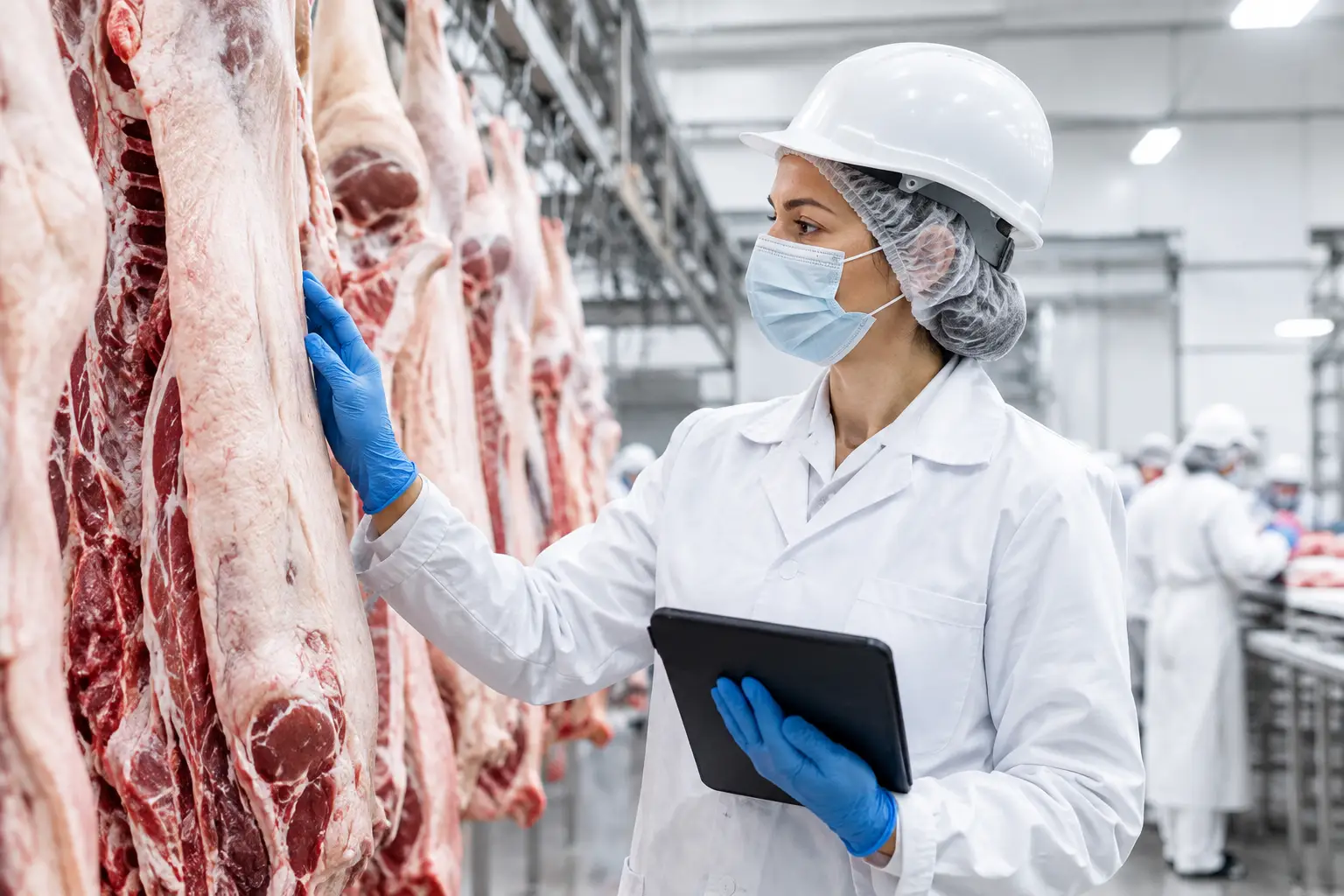
A slaughter plant can appear clean during a buyer visit and still have weaknesses that affect product safety, shelf life, and export compliance. For procurement teams, knowing how to verify slaughter hygiene means looking beyond visual cleanliness. The real evidence is found in process control, documented corrective actions, microbiological results, employee practices, and traceability records that connect each shipment to its production conditions.
For imported pork, this verification is particularly relevant. Product may move through several cold-chain stages before reaching a distributor, processor, retailer, or foodservice customer. Hygiene failures at slaughter can therefore create consequences far beyond the plant gate, including rejected loads, shortened shelf life, customer claims, and disruption to supply programs.
What Slaughter Hygiene Covers
Slaughter hygiene is the system used to prevent physical, chemical, and microbiological contamination as live animals are converted into chilled or frozen pork. It starts before slaughter, includes every dressing operation, and continues through chilling, cutting, packing, and dispatch.
In pork processing, particular attention is required at the stages where contamination can transfer from animals, equipment, employees, water, or the environment to the carcass. These include lairage management, scalding and dehairing, singeing, polishing, evisceration, carcass inspection, splitting, washing where applicable, and chilling.
A hygienic operation is not defined by one control alone. It depends on a coordinated system: suitable facility design, controlled product flow, sanitation programs, trained employees, preventive maintenance, laboratory testing, and clear decision-making when a deviation occurs. Buyers should assess whether these elements work together in daily production, rather than relying only on a supplier’s written food-safety policy.
How to Verify Slaughter Hygiene Before Approval
A supplier approval process should combine document review with direct observation. Documents show how the system is designed; a plant visit, remote audit, or qualified third-party audit helps establish whether the system is consistently applied.
Review the food-safety plan and prerequisite programs
Ask the supplier to explain its hazard analysis and the operational controls used to manage contamination risks. The documentation should identify critical stages, set measurable limits where relevant, define monitoring responsibilities, and describe corrective actions.
Equally important are the prerequisite programs that support the production process. These normally cover cleaning and sanitation, potable water control, pest management, staff hygiene, waste handling, equipment maintenance, foreign-material prevention, and supplier controls. A well-written program is useful, but buyers should also ask for completed records from normal production days, not only template documents.
Look for evidence that records are reviewed and that recurring issues are investigated. Repeated nonconformities without a documented root-cause analysis may indicate that the supplier is recording problems but not effectively controlling them.
Observe separation between clean and dirty areas
The layout of a slaughter plant has a direct impact on hygiene. Areas handling live animals and initial processing should be separated from carcass dressing, chilling, cutting, and packed-product zones. The direction of product movement, employee movement, tools, containers, and waste should reduce the chance of cross-contamination.
During an audit, observe practical details. Are employees changing protective clothing when moving between zones? Are handwashing and boot-cleaning stations positioned where they are needed? Are tools stored hygienically and cleaned at defined intervals? Are edible products protected from contact with floors, walls, condensate, or nonfood materials?
A large facility requires particularly disciplined zoning. At industrial volumes, a minor breakdown in movement control can affect a significant quantity of product in a short period. Automated systems can improve consistency, but automation does not remove the need for sanitation verification, maintenance, and trained supervision.
Focus on evisceration and visible contamination controls
Evisceration is one of the most sensitive slaughter stages because accidental damage to the digestive tract can contaminate the carcass. Suppliers should have clear procedures for identifying contamination, isolating affected carcasses where necessary, trimming or reprocessing under controlled conditions, and recording the event.
Ask how line employees and supervisors identify visible fecal, ingesta, or other contamination. Verify who has the authority to slow or stop the line if repeated events occur. The answer should be operational and specific. General statements about “high standards” are less useful than an explanation of what happens when a defined limit is exceeded.
Carcass inspection also matters. Inspection activities must be managed in a way that maintains hygienic handling and avoids creating unnecessary contact risks. For buyers, the key question is whether control procedures remain effective at normal line speed, not only under audit conditions.
Use Testing Results as Verification, Not as a Substitute for Control
Microbiological testing provides objective evidence of hygienic performance. A supplier should be able to explain its sampling plan, including sample locations, sampling frequency, target organisms, laboratory methods, acceptance criteria, and actions taken when results are outside specification.
Carcass surface sampling can help assess the effectiveness of dressing hygiene. Environmental testing can help identify risks in chilling rooms, cutting areas, drains, conveyors, tools, and other food-contact or near-product surfaces. Finished-product testing may also be part of the verification program, depending on the product, destination market, and customer specification.
Do not evaluate results as isolated pass-or-fail documents. Ask for trend data over a meaningful period. A single satisfactory report gives limited assurance; stable results, reviewed over time and supported by corrective-action records, provide a clearer picture of process control.
Laboratory capability is valuable when it supports quick investigation and informed decisions. In-house scientific laboratory resources can shorten the time between sampling, result review, and corrective action, while independent verification may also be appropriate for customer, regulatory, or market-access requirements.
Verify Chilling, Cold Chain, and Product Protection
Hygiene control continues after the carcass leaves the slaughter line. Prompt and controlled chilling limits microbial growth and helps protect product quality. Buyers should verify that the supplier monitors temperatures, manages airflow and loading conditions, and prevents contact between carcasses or products where it could create contamination risk.
For fresh pork, the cold chain must remain controlled through cutting, packaging, storage, loading, and transport. For frozen pork, confirm how freezing, frozen storage, loading temperatures, and product identification are controlled. The required parameters depend on the product specification and destination market, but records should be complete, legible, and linked to the lot.
Packaging is another practical checkpoint. Inspect how packaging materials are stored, whether packed products are protected from raw handling areas, and how label accuracy is verified. Incorrect lot coding can turn a manageable quality issue into a major traceability problem.
Confirm Traceability Through a Practical Test
Traceability is one of the strongest tools available to an international buyer. A supplier should be able to trace a shipment backward to the production date, shift, lot, relevant raw-material or animal-origin records, and associated quality checks. It should also be able to trace forward to identify the customers and quantities affected by a defined lot.
Ask for a traceability exercise based on a recent shipment. The supplier should demonstrate how it would retrieve production records, sanitation records, temperature data, laboratory results, packaging information, and dispatch details. The speed and completeness of this exercise often reveal more than a written traceability procedure.
For export programs, verify that product identification and documentation align with the importing country’s requirements. Market-access conditions may differ among destinations, especially for health certificates, labeling, approved establishment status, residue programs, and product-specific controls. A supplier experienced in international trade should manage these requirements as part of routine operations, not as an afterthought once the container is ready to ship.
Questions That Reveal the Strength of a Supplier’s System
When assessing slaughter hygiene, procurement teams should expect clear answers to these operational questions:
- What are the main hygiene risks at each slaughter stage, and how are they controlled?
- How are visible contamination events handled, recorded, and investigated?
- What microbiological and environmental testing is performed, and how are trends reviewed?
- How does the facility separate live-animal, slaughter, chilling, cutting, and packing areas?
- Can the supplier complete a traceability exercise for a recent export lot?
- What corrective action is taken when sanitation, temperature, or microbiological results do not meet requirements?
A capable supplier will answer with records, defined responsibilities, and examples of actions taken. If responses rely mainly on broad assurances, buyers should request further evidence before approving commercial volumes.
Assess Hygiene in the Context of Scale and Product Needs
The verification approach should reflect the product being purchased. Fresh chilled cuts intended for extended distribution require close attention to shelf-life management, temperature control, and packing integrity. Frozen cuts and offal require strong process hygiene as well, but buyers may place additional emphasis on freezing discipline, storage conditions, lot control, and container loading practices.
Scale also changes the assessment. A supplier processing high volumes must demonstrate that hygiene controls remain effective across shifts, production lines, and peak periods. Spanish industrial processors such as Litera Meat operate within a full production chain that includes slaughter, cutting, cold-chain handling, packaging, quality control, and export distribution. For buyers, the relevant point is to verify how controls are connected across that chain and how evidence is retained for each lot.
The most reliable purchasing decision comes from treating slaughter hygiene as a measurable supply-chain capability. Request the records, review the trends, test the traceability process, and make hygiene performance part of regular supplier evaluation rather than a one-time approval exercise.